Built by operators who ran this standard inside higher education first.
Sophrosyne Systems, founded 2025 in London, Ontario — the team behind the AI Fluency Standard.
Operators, advisors, and faculty.
A team that spans university leadership, operations and finance, AI advisory in regulated environments, and venture — the disciplines an enterprise engagement actually requires.
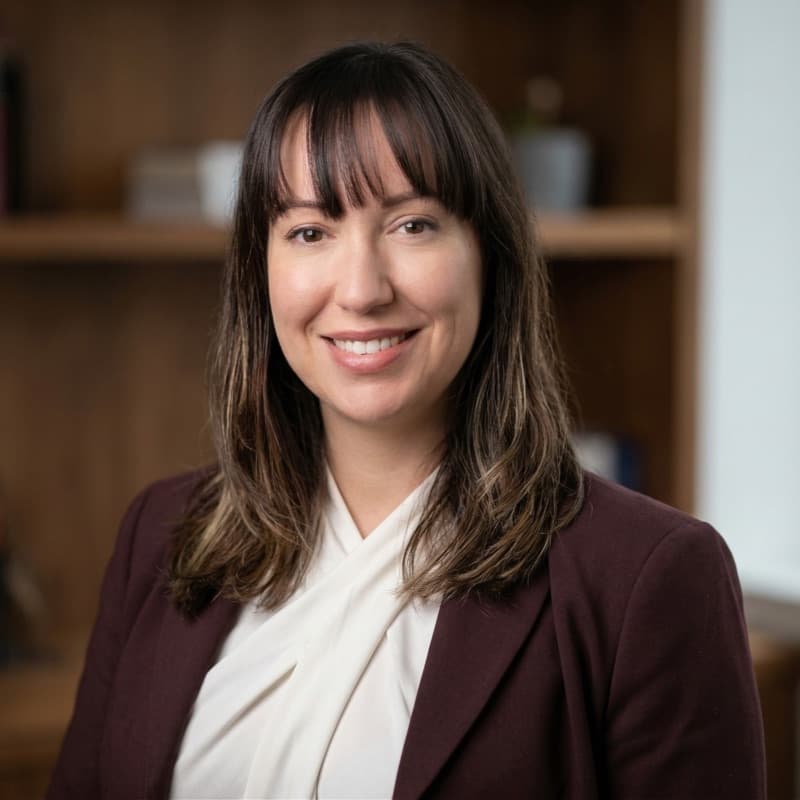
Dr. Lauretta Conklin Frederking
Founder & CEO · Pillar Lead
Former University President with experience in numerous leadership roles in the Office of the Provost across small, medium and large universities in Canada and the United States. 2023 YMCA Women of Excellence honouree; published author of multiple political science books. BA, Toronto · MA, Columbia · PhD, Washington University in St. Louis · MBA, Ivey.
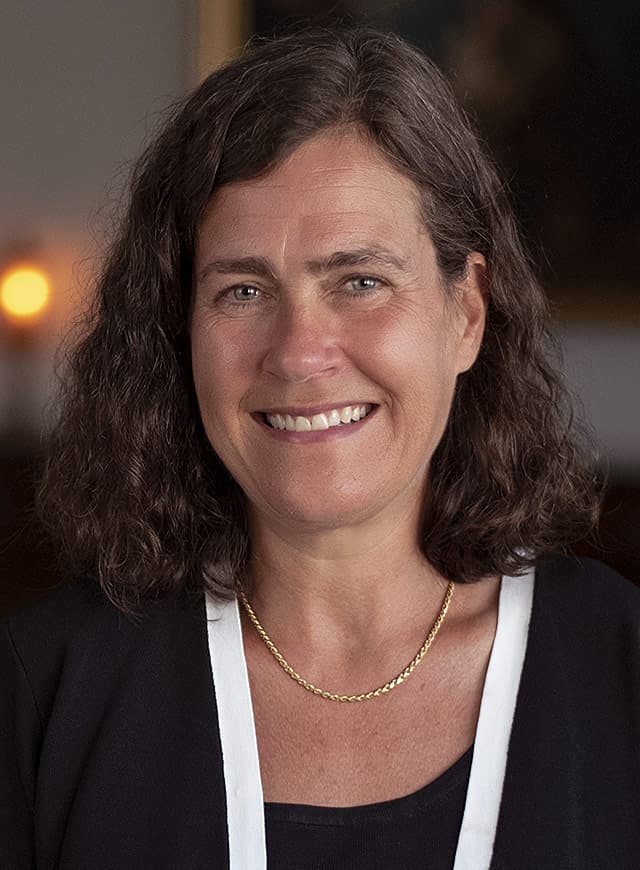
Melissa Jean
COO
CPA/CMA and Associate Professor at Western's DAN Management with 20+ years in financial management and operations. Former Executive Director of Finance, Operations and Strategy, Brescia University College. HBA, MBA, CPA, CMA.
Ankit Mishra
Co-Founder · GTM & Partnerships
VC and startup operator, 13+ years; Forbes contributor, 50+ articles. MBA, Ivey; MSc, Sciences Po Paris; BSc Mathematics, York University.
Christine Billinger
Head of Marketing
B2B SaaS marketing leader, 15+ years in demand generation and go-to-market strategy. Director of Marketing, Edgecom Energy; EIR, Morrissette Institute for Entrepreneurship. Executive MBA, Ivey; BA Hons., University of Victoria.
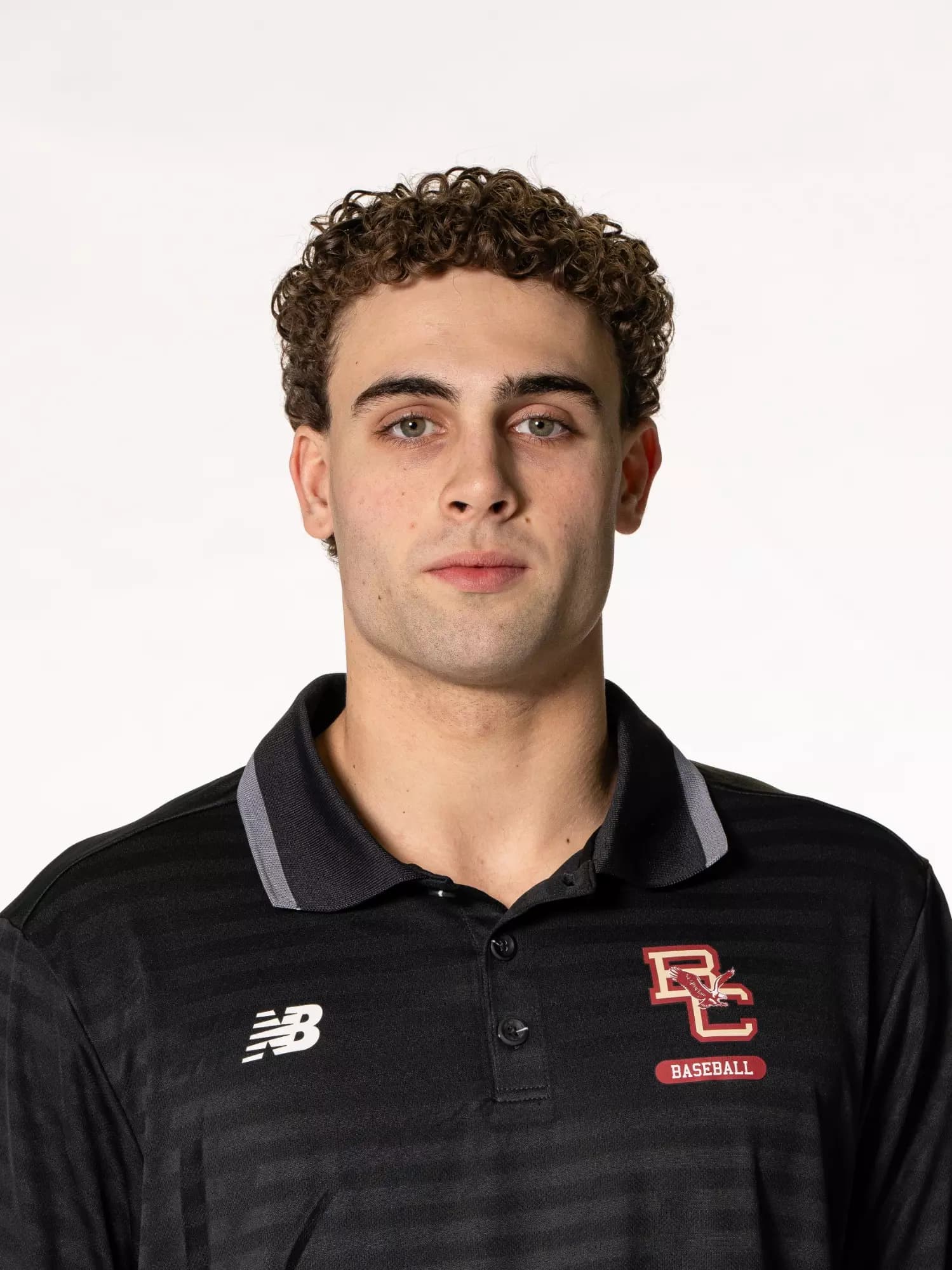
Nathanael Frederking
Co-Founder · US Market
Institutional measurement, financial modelling, and Sophrosyne's expansion analytics. BS Business Analytics, Carroll School of Management, Boston College (expected 2027).
Proven in universities before it ever scored a company.
The six-stage capability ladder behind the Assessment — personal productivity, proprietary context, systems thinking, internal data products, shipped features, governed multi-agent systems — is not education-specific. It is a general skill ladder for working with AI, one we built and tested inside regional universities before adapting it for the workplace.
Why It Matters
This is a proven methodology, not one invented for a sales deck.
The same evidence-based scoring we tested inside higher education is what your board sees on the other side of an Assessment.
We call it the Scan internally. You'll know it as the AI Fluency Assessment.
It isn’t a quiz your team can talk their way through. One adaptive exam per employee, department-specific — engineering gets engineering scenarios, sales gets sales scenarios — scored against the same six-stage A1–C2 Fluency Standard the origin story above describes.
Your board doesn’t see a self-reported survey. They see a number your company earned, graded the moment each person submits, against an answer key locked until they’re done.
Three principles that shape every engagement.
Measure what you expect.
If you expect AI fluency from your people, you need an instrument to check it — not an assumption.
Build what you're missing.
A score without a roadmap is a report that sits in a drawer. Every Assessment ends in a sequenced plan.
Re-test, don't just certify.
Fluency changes quarter to quarter. The engagement is built to re-score, not to hand out a certificate and disappear.
Know your company’s AI-fluency score before your competitors do.
Score your employees, track their progress, and get the roadmap to close the gap — subscription pricing, no consulting engagement required.
No sales call required · 12-month Tracker term · Response within one business day